How to Shorten the Inspection Time of Semiconductor Wafers?
Issue
Equipment
Wafer Inspection Equipment
Problem in the past
- When inspecting wafers from multiple angles, the belt-driven worktable must start and stop frequently and stably.
However, if a servo motor is used to drive the belt, frequent vibrations will occur when it stops, affecting detection efficiency.
In addition, gain adjustment is difficult due to the large inertia of the workbench. How to solve the vibration problem caused by frequent starts and stops?
Solution
High Torque, Low Vibration Stepper Motor Proposal
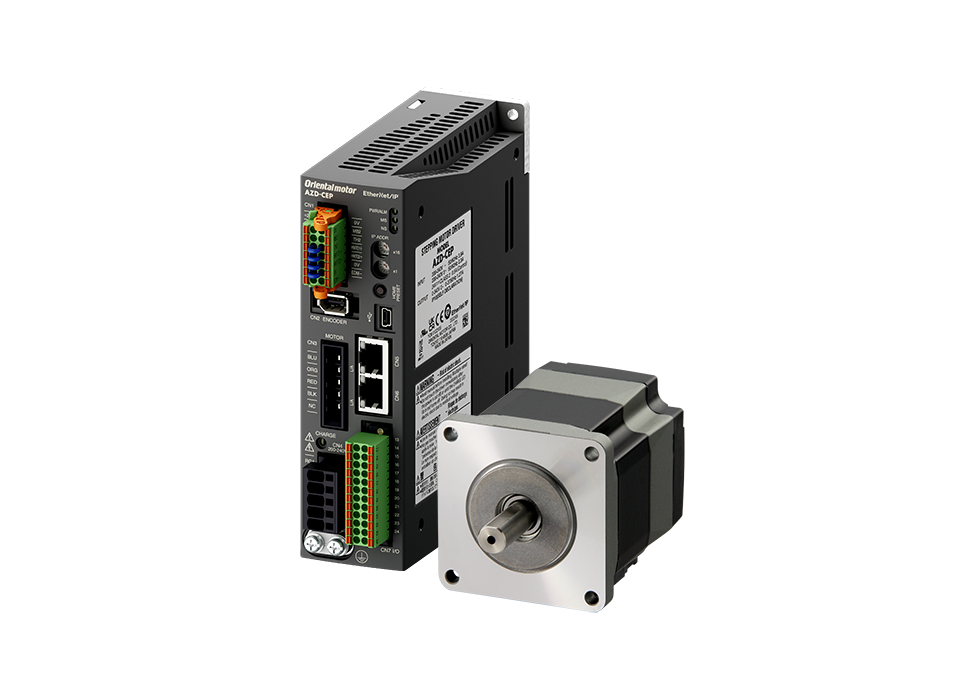
Oriental Motor's hybrid control system αSTEP AZ series stepper motors can replace servo motors. In addition to avoiding micro-vibration, the high torque of the motor itself can also improve the overall detection efficiency without the need for gain adjustment.
Maintain Stop Position Without Trembling
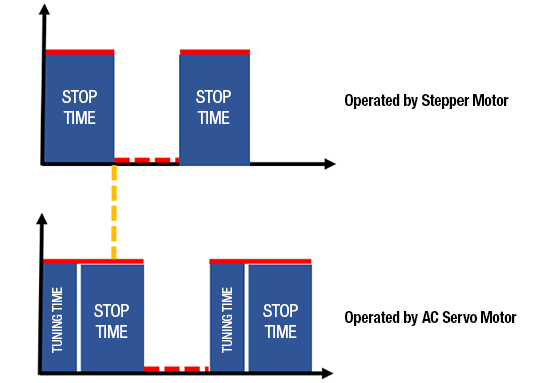
When the servo motor is running, the pulse signal sent by the controller and the feedback signal sent by the driver are compared, and the error between the two is controlled to zero, thereby controlling the motor. Therefore, in low-rigidity mechanisms such as belts, the vibration will be more obvious due to the need for tuning. The AZ series does not produce micro-vibration during positioning and can be stopped by the holding force of the motor itself, making it suitable for low-rigidity mechanisms such as belt mechanisms.

When applied to a detection mechanism, as shown in the figure below, no settling time is required when driven by a stepper motor, which contributes to high-efficiency detection.
High Torque
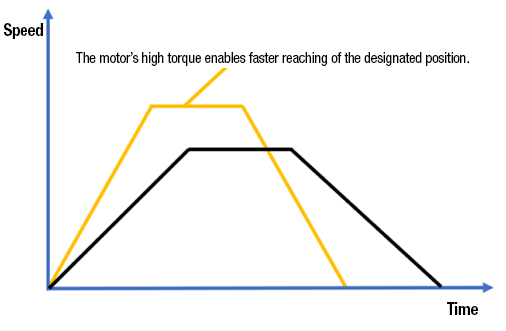
The high torque of the AZ series can reach the designated position in a shorter time. Its excellent acceleration and response performance can effectively speed up the production cycle and improve efficiency in the detection process of frequent starts and stops.
No Detector Required
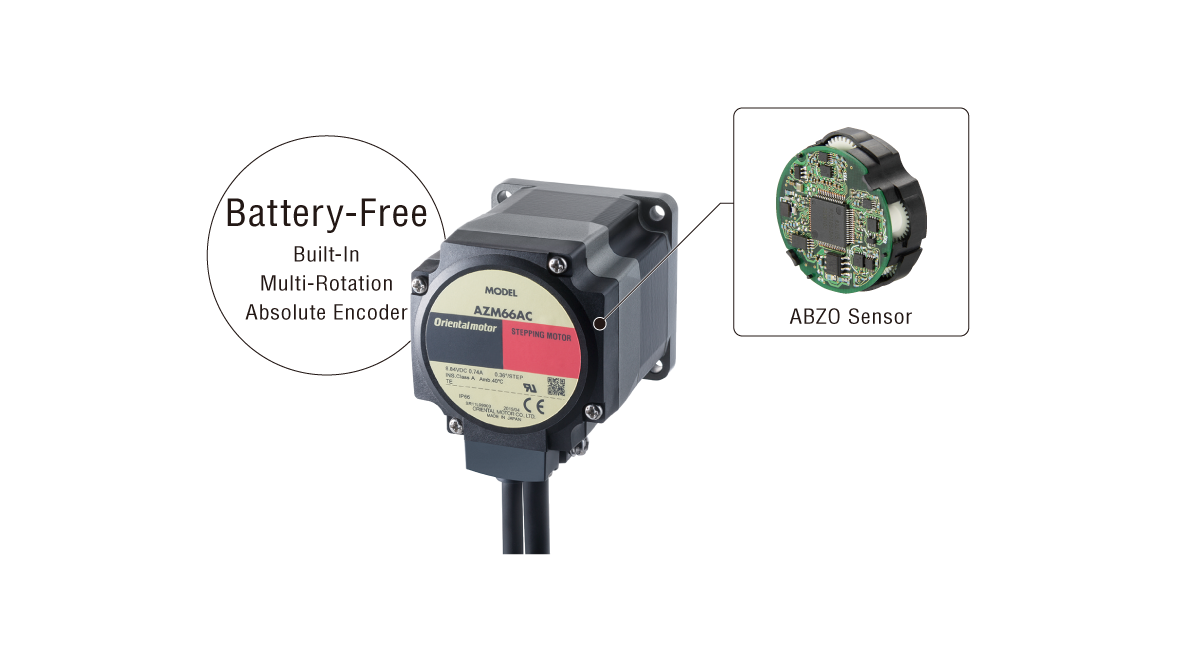
The AZ series is equipped with a battery-free mechanical absolute encoder.
The absolute system does not require external detectors such as origin detectors and limit detectors. Therefore, there is more free space in the design and installation of wiring, saving time and effort, and reducing the cost burden.